Doing Umrah for the First Time: A Step-by-Step Guide
Performing Umrah for the first time is a life-changing experience for any Muslim. The joy of visiting the House of Allah, the emotions of standing in front of t…
admin
Umrah & Hajj Experts
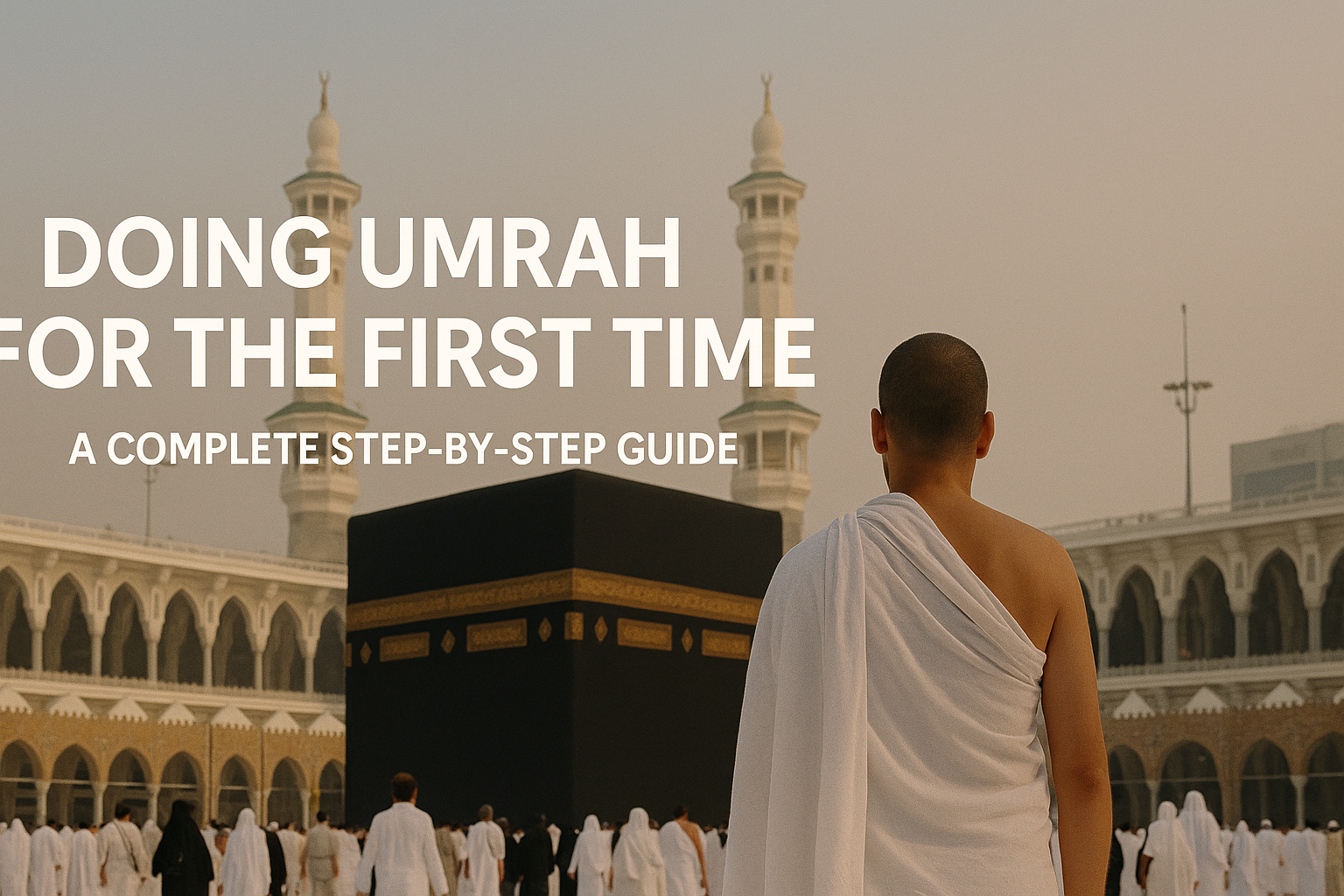
Performing Umrah for the first time is a life-changing experience for any Muslim.
The joy of visiting the House of Allah, the emotions of standing in front of the Kaaba, and the spiritual peace one feels in the Holy Cities of Makkah and Madinah are indescribable. However, many first-time pilgrims feel overwhelmed with the steps, rituals, and preparations required for Umrah.
This guide is created to make your journey smooth and spiritually fulfilling. From documents and packing to each ritual and ziyarat, this article covers every essential detail for first-time pilgrims.
What is Umrah?
Umrah is a non-obligatory pilgrimage to Makkah that can be performed at any time of the year, unlike Hajj, which has specific dates. Despite being optional, it holds great reward and significance in Islam. The Prophet Muhammad (SAW) said:
"The performance of Umrah is an expiation for the sins committed between it and the previous Umrah."
(Sahih Bukhari)
There are two types of Umrah:
-
Umrah al-Mufradah: Performed independently of Hajj, which can be done any time of the year.
-
Umrah al-Tamattu: Performed in conjunction with Hajj, during the Hajj season.
This guide focuses on Umrah al-Mufradah.
1. Preparing for Umrah
Before embarking on this sacred journey, preparation is key. It’s not just about logistics, but also about preparing your heart, mind, and soul for a deeply spiritual experience.
Spiritual Preparation
-
Tawbah (Repentance): Sincerely repent for past sins. Ask Allah for forgiveness and make an intention to not return to those sins.
-
Intentions: Purify your niyyah (intention) solely for Allah's pleasure. Make a firm commitment to complete Umrah properly.
-
Knowledge: Study the rites and rules of Umrah beforehand. Read books, watch tutorials, and consult scholars.
-
Dua List: Prepare a list of personal duas. This helps in making meaningful supplications during sacred moments.
Documentation & Visa
Travel arrangements must be done well in advance. Delays in visa approvals or missing paperwork can disrupt your plans. Use a reliable agent or travel group to ensure everything is done smoothly.
-
Passport: Must be valid for at least six months from travel date.
-
Visa: Apply through a trusted Umrah agent or approved online portals. Some nationalities can use the Saudi tourist e-visa.
-
Vaccinations: Meningitis (ACWY), COVID-19 (if applicable), and seasonal flu vaccine.
-
Accommodation & Flight: Keep printed copies and digital versions of bookings.
-
Travel Insurance: Highly recommended in case of medical emergencies.
Health and Fitness
-
Physical Readiness: Walking during Umrah rituals can be strenuous. Practice walking daily before departure.
-
First Aid Kit: Include pain relievers, cold medicine, bandages, and ointments.
-
Medical Conditions: Keep a doctor’s prescription and necessary medicines.
Packing Essentials
-
Ihram Garments: Carry extra sets. Keep one in your hand-carry.
-
Clothing: Light and breathable clothes, preferably cotton. Women should carry loose, full-coverage clothing.
-
Toiletries: Must be unscented. Includes soap, shampoo, toothpaste, wipes, and deodorant.
-
Electronics: Power bank, travel adapter, mobile phone with local SIM or roaming.
-
Accessories: Sunglasses, small umbrella, refillable water bottle, small bag for shoes.
-
Food & Snacks: Dry fruits, biscuits, and light snacks, especially helpful during long waits.
2. Ihram and Miqat
For Men:
-
Two unstitched white sheets: lower garment (izar) and upper garment (rida)
-
No underwear, stitched garments, or head covering
For Women:
-
Regular modest Islamic clothing. Preferably plain and dark-colored.
-
No niqab or gloves in the state of Ihram (hands and face should remain uncovered)
Miqat is the geographical location where one must declare the intention for Umrah and enter into the state of Ihram.
Steps at Miqat:
-
Perform Ghusl (ritual bath): If possible, take a complete shower before donning Ihram.
-
Wear Ihram: Dress appropriately before crossing the Miqat.
-
Pray 2 rakats of nafl salah: Intend this as a Sunnah of entering Ihram.
-
Make the intention (Niyyah): "Labbaik Allahumma Umrah."
-
Recite Talbiyah loudly (men) and softly (women):
"Labbaik Allahumma Labbaik, Labbaik la shareeka laka Labbaik, Innal-hamda wan-ni'mata laka wal-mulk, La shareeka lak."
-
Remain in the state of Ihram until you complete all Umrah rites.
3. Arrival in Makkah
Upon arriving in Makkah:
-
Check-in to your hotel and take rest if needed.
-
Ensure you remain in a state of Ihram until Umrah is complete.
-
Perform wudu and prepare mentally and spiritually for the rituals ahead.
-
Head to Masjid al-Haram, ideally with your group or guide.
4. Performing Umrah - Step-by-Step
Umrah is made up of three core rituals: Tawaf, Sa’i, and Halq or Taqsir. Each step has its own spiritual and historical significance, echoing the actions of Prophet Ibrahim (AS), Hajar (RA), and the Prophet Muhammad (SAW).
Tawaf (Circumambulation of Kaaba)
There is no feeling like the one you get when you first lay eyes on the Kaaba. Your heart races, eyes tear up, and you feel connected to every Muslim who ever walked the same path.
-
Start at Hajar al-Aswad (Black Stone):
-
Face the Kaaba, raise your right hand and say: *"Bismillah, Allahu Akbar."
-
If possible, kiss the stone (not mandatory). Otherwise, point from a distance.
-
-
Perform 7 rounds (anti-clockwise):
-
Keep the Kaaba on your left.
-
Make dua, dhikr, or recite Quran silently.
-
Between Rukn Yamani and Hajar al-Aswad, recite:
"Rabbana atina fid-dunya hasanatan wa fil-akhirati hasanatan wa qina 'adhaban-nar."
-
-
After 7 rounds:
-
Proceed to Maqam Ibrahim (if accessible), pray 2 rakats behind it.
-
If it's crowded, pray anywhere in the mosque.
-
Drink Zamzam water after the prayer. Make dua while drinking.
-
Sa’i (Walking between Safa and Marwah)
This ritual is a re-enactment of Hajar’s (RA) desperate search for water for her son Isma’il (AS). Her perseverance and trust in Allah were rewarded with the miraculous appearance of Zamzam. As you walk between Safa and Marwah, remember her struggle and make heartfelt duas.
-
Go to Safa Hill, face the Kaaba and make dua
-
Begin walking to Marwah (one round)
-
Men walk briskly between the green lights (called Ramal)
-
Repeat until 7 rounds are completed (Safa to Marwah = 1 round)
-
At the end, make dua on Marwah
Dua is accepted during Sa'i, especially when reaching Safa and Marwah. Pour your heart out in prayer during each stop.
Halq or Taqsir (Shaving/Cutting Hair)
-
Men: Shaving (Halq) is more virtuous, but trimming (Taqsir) is allowed.
-
Women: Trim a fingertip-length from the end of their hair.
-
After this act, Ihram is removed, and Umrah is complete.
5. Tips for a Smooth Umrah
-
Plan your Umrah at night or early morning to avoid crowds.
-
Hydration is crucial. Carry a bottle of Zamzam or water.
-
Avoid pushing and crowding, especially near Hajar al-Aswad.
-
Respect everyone regardless of nationality or age. Maintain Islamic manners.
-
Keep calm if mistakes happen. Focus on your connection with Allah.
6. Visiting Madinah (Optional but Highly Recommended)
Though not a part of Umrah, visiting the Prophet's Mosque in Madinah is highly meritorious.
Key Actions:
-
Visit Masjid an-Nabawi: Try to pray all five prayers here.
-
Send Salam at Rawdah: Present your salam to the Prophet (SAW), Abu Bakr (RA), and Umar (RA).
-
Pray in Rawdah: One of the gardens of Paradise. Requires booking via Nusuk app.
-
Visit Jannatul Baqi: Cemetery of many Sahabah (RA)
-
Other Sites: Masjid Quba (first mosque in Islam), Mount Uhud (battle site)
Spend time in Madinah reflecting on the Prophet’s life, making dua, and renewing your love for Islam.
7. Common Mistakes to Avoid
-
Crossing Miqat without Ihram: This is a serious violation. You must go back or offer a dam (penalty).
-
Taking selfies or photos excessively: Focus on worship, not social media.
-
Not maintaining cleanliness: The sanctity of the Haram must be upheld.
-
Quarreling or impatience: Stay calm even if things don’t go as planned.
-
Delaying hair cutting: Complete the rituals fully to exit Ihram.
8. Recommended Duas and Sunnahs
-
Keep a small dua book with sections for Tawaf, Sa'i, entering the mosque, etc.
-
Make dua in your language: Speak from the heart. Allah understands all languages.
-
Follow the Sunnah: Using the right foot when entering the mosque, making dua before and after rituals, and staying humble.
9. Post-Umrah Reflection
After your Umrah:
-
Take time to think about your journey.
-
What touched your heart the most?
-
What will you change in your daily life?
-
Continue the good habits: regular prayers, Quran recitation, kindness, and avoiding sins.
-
Share your experience and encourage others.
Conclusion
Umrah is more than just a religious trip. It's an opportunity to reset your soul, ask for forgiveness, and begin a better life. Even if you are young or old, rich or poor, Allah welcomes every sincere heart to His House.
May Allah accept your Umrah, grant ease in your journey, forgive your sins, and allow you to return again and again. Ameen.