Common Mistakes During Umrah: How to Prevent Them
Umrah is a special spiritual journey for Muslims. They visit the holy cities of Makkah and Madinah. It is a chance to grow closer to Allah, ask for forgiveness,…
admin
Umrah & Hajj Experts

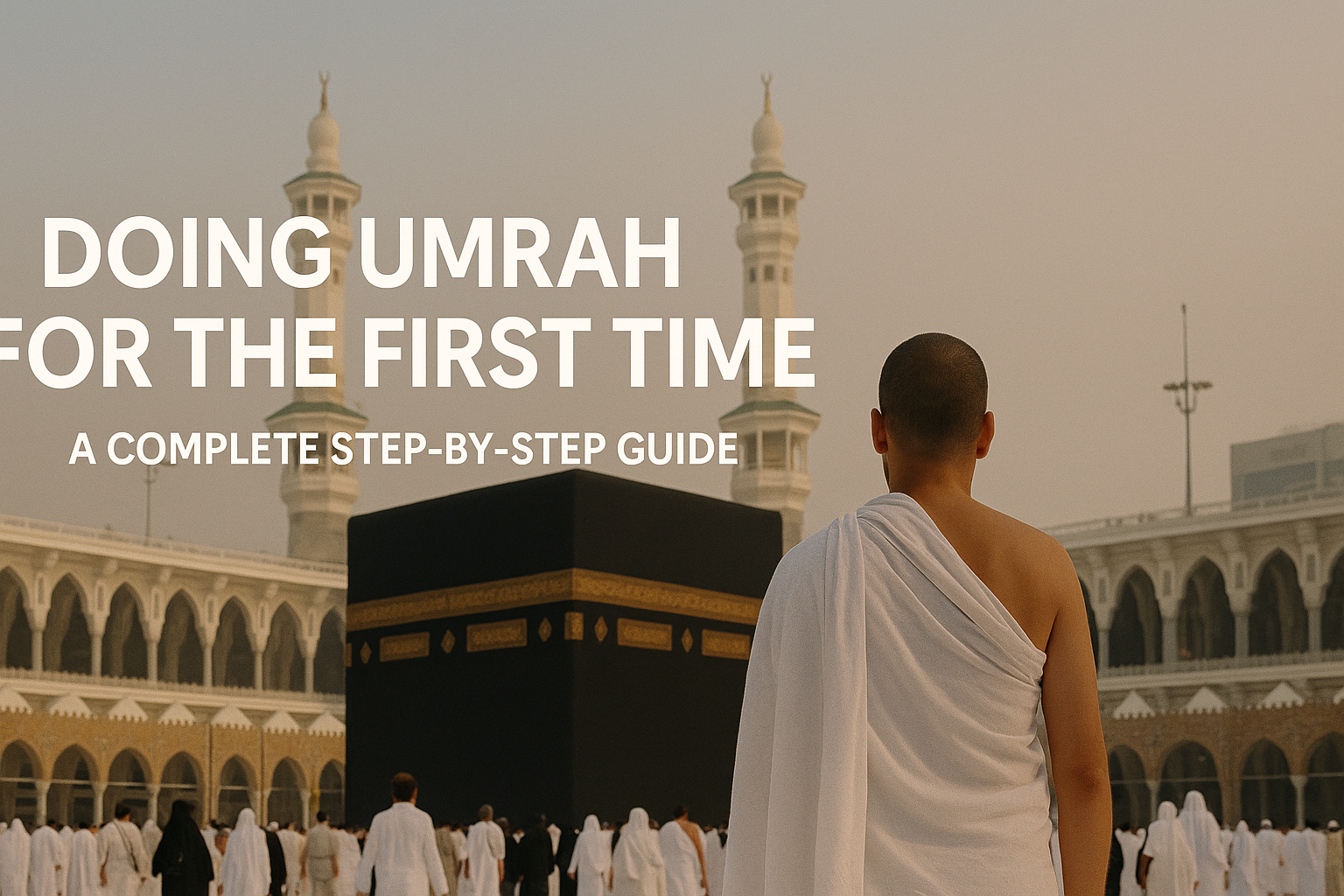
Umrah is a special spiritual journey for Muslims. They visit the holy cities of Makkah and Madinah. It is a chance to grow closer to Allah, ask for forgiveness, and renew your faith. But sometimes, people make mistakes during Umrah. These mistakes can happen due to a lack of knowledge. They may also occur when people follow others without understanding. This article shows you the common mistakes people make during Umrah. It also explains how to avoid them. Our goal is to guide you so that your Umrah is accepted and filled with blessings.
Mistakes Before Performing Umrah
Many people make mistakes before starting the Umrah rituals. This often happens because they are not well-prepared or don’t understand the process.
Inadequate Knowledge and Preparation
One of the biggest mistakes people make is not learning enough about Umrah before going. Some people rely only on their group leaders or travel agents. While these people can help, it is still important for you to learn the basics yourself. You should know how each part of Umrah is performed and what prayers or duas to say. Some people also do not know that there are different Islamic opinions (fiqh) on how to do certain steps. Learning from a trusted scholar or an authentic book can help avoid confusion.
Issues with Intention (Niyyah)
Your intention, or niyyah, is very important. Some people are not clear in their hearts about what they are doing. They may mix up the intention for Umrah with Hajj. Or they may not say their niyyah properly at the Miqat (the place where Umrah starts). A sincere and clear niyyah is the first step in making sure your Umrah is accepted.
Errors Related to Ihram
The state of Ihram is a special way of dressing and behaving during Umrah. Men wear two white clothes, and women wear simple, modest clothing. One common mistake is not entering the state of Ihram before reaching the Miqat. Another error is using perfume or scented products after putting on Ihram. Also, people sometimes forget the rules of Ihram. For example, you should not cut your nails, shave, or get into arguments. Remembering these rules will help you stay focused on your worship.
Mistakes During the Performance of Umrah
When performing Umrah, many common mistakes can impact the validity and spiritual reward of your journey.
Tawaf (Walking Around the Kaaba)
Tawaf is the act of walking around the Kaaba seven times. Some people make the mistake of doing fewer or more rounds. It is important to keep count. Also, Tawaf should start at the Black Stone (Hajar al-Aswad). Some people start from the wrong place, which makes their Tawaf invalid.
Another mistake is being too rough or disrespectful. People sometimes push others just to touch the Black Stone. While touching it is Sunnah (a good deed), hurting others is not allowed. Also, make sure you are dressed properly. Men should keep one shoulder uncovered only during the first Tawaf of Umrah, not in every Tawaf.
Sa'i Between Safa and Marwah
After Tawaf, pilgrims do Sa'i, which means walking between the hills of Safa and Marwah seven times. A common mistake is not completing the correct number of laps. You start at Safa and end at Marwah. Another issue is running in the wrong area. Men should run between the green lights only.
Some people forget to make dua during Sa'i. This is a good time to talk to Allah, ask for forgiveness, and pray for yourself and others. Don’t let your mind wander or treat Sa'i as just walking exercise.
Shaving or Trimming Hair (Halq/Taqsir)
The final step of Umrah is shaving or trimming the hair. For men, shaving the head is better and brings more reward, but trimming is also allowed. Some men cut only a small part, which is not correct. Women should cut a small portion of hair (around the length of a fingertip) but should not shave. Delaying this step without a valid reason can also be a mistake, as you remain in Ihram until it’s done.
Mistakes Related to Conduct and Behavior
How you behave during Umrah is just as important as performing the rituals, and poor conduct can harm your spiritual experience.
Disrespectful or Distracting Behavior
While in the holy places, it is important to act with respect. One common problem is people speaking loudly or using their phones in a way that disturbs others. Taking selfies or making videos inside the Haram (Sacred Mosque) is also not respectful. These places are meant for prayer and reflection, not for social media.
Another issue is pushing and shoving in crowded areas. Always be patient and kind. If you can't get close to the Kaaba, it is okay. Your reward comes from your intention and actions, not from how close you get.
Neglecting Other Worship
Some people focus only on the steps of Umrah and forget about other acts of worship. Don’t miss your prayers while doing Tawaf or Sa'i. Also, keep your tongue busy with dhikr (remembrance of Allah) and dua. Every moment in the holy land is special.
Improper Interaction with Others
Be patient and kind to everyone. This is especially true for the elderly, children, and people with disabilities. Sometimes people get angry or argue, which takes away from the peace of Umrah. Remember, you are there to worship and become a better person. How you treat others is a big part of that.
Common Misunderstandings and Innovations
Some actions done during Umrah are based on cultural habits or myths, not from the teachings of Islam.
Belief in Superstitions or Unproven Practices
Some believe that touching the Kaaba's walls brings blessings. Others think throwing clothes at it has the same effect. There is no proof for these actions from the life of the Prophet Muhammad (peace be upon him). Instead, follow what he did and taught.
Some people think that certain places in the Haram are better for dua. However, these beliefs usually come from stories, not facts. It is best to pray and make dua from the heart, anywhere in the Haram.
Innovations in Du'a and Ritual Practices
During Tawaf or Sa'i, some groups make loud, group duas where everyone repeats after a leader. This was not the practice of the Prophet. It is better to make your own personal duas or read from a book silently. Blindly following a group can weaken your personal bond with Allah.
Post-Umrah Mistakes
Even after you complete Umrah, your behavior still counts. Some mistakes afterward can erase the good you've achieved.
Feeling Spiritually Superior
After performing Umrah, some people feel they are better than others. They may start judging those who haven’t gone yet or show off their pictures online. Umrah should make you humble, not proud. It is a personal journey between you and Allah.
Abandoning Acts of Worship After Returning
Another mistake is thinking that Umrah cleansed all sins, so there is no need to continue being good. Some people return to bad habits. But the real test is keeping up the good behavior and worship after you come back home. Use the experience to become a better Muslim every day.
How to Avoid These Mistakes
Prepare well and follow true teachings. This way, you can skip common mistakes. You’ll make your Umrah experience meaningful and accepted.
Seeking Knowledge Before Traveling
Learn about Umrah from trusted scholars, books, or online classes before you go. Attend a seminar if you can. Don’t rely only on others to guide you. When you know what to do, you feel more confident and peaceful.
Staying Mindful and Sincere Throughout
Keep checking your intentions. Are you doing this for Allah, or for photos and praise? Ask Allah for guidance and help. Be mindful in every step, from Ihram to shaving your hair.
Following Sunnah and Avoiding Innovations
Always try to follow the way of the Prophet Muhammad (peace be upon him). He is the best example. If you’re not sure about something, ask a scholar you trust. Don’t just copy what others are doing without understanding.
Conclusion
Umrah is a special journey, and every Muslim dreams of doing it. But to make it truly meaningful, we must do it the right way. By avoiding these common mistakes, you protect your worship and earn more reward. Learn, prepare, and go with a heart full of love for Allah. Be kind, be patient, and stay humble.